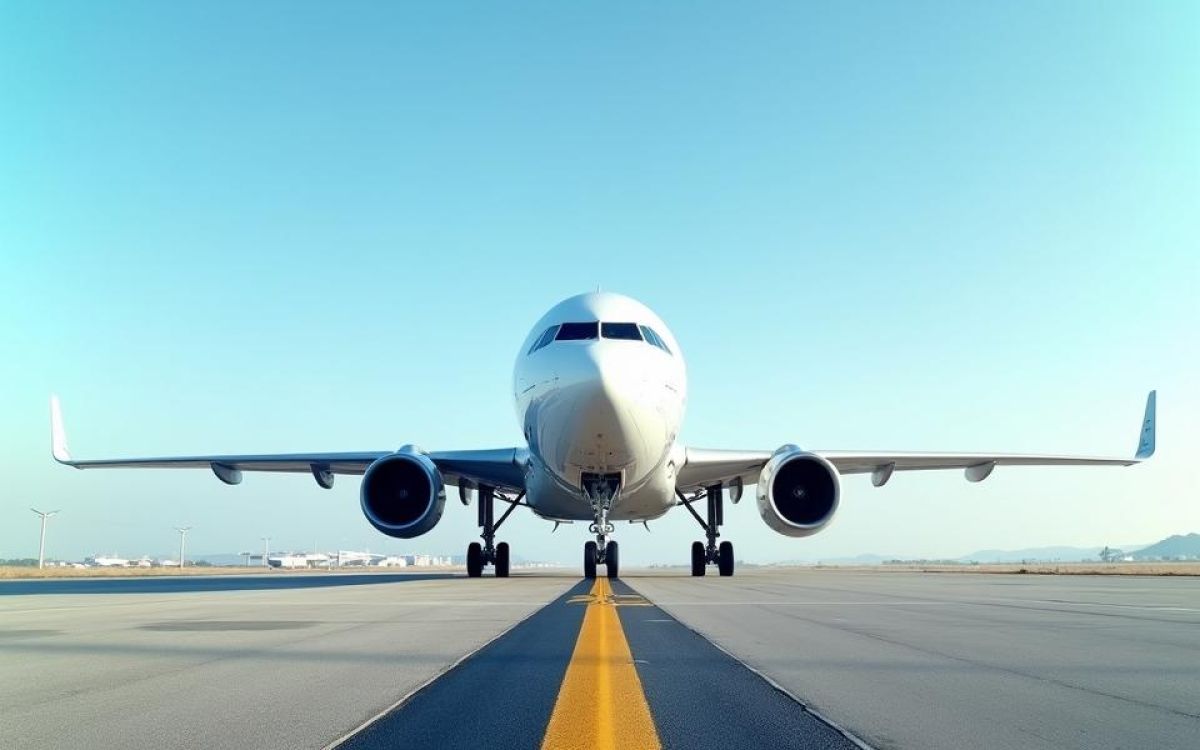
India’s diverse geography has led to the construction of several airports in challenging terrains, including hills, plateaus, and coastal elevations. Among these are tabletop runway airports, which are built on elevated landforms with steep drops at one or both ends of the runway. These airports are engineering achievements designed to support safe air travel in difficult locations. For travellers, understanding what tabletop runways are and where they exist adds a fascinating dimension to flying within India.
What Is a Tabletop Runway
A tabletop runway is located on top of a hill or plateau where the runway surface ends abruptly due to surrounding slopes or valleys. Unlike airports built on flat plains, these runways have limited overrun areas beyond their edges. Special construction techniques and precise operational planning ensure safe aircraft operations.
Pilots undergo additional training to handle approaches at such airports. Aircraft landings and takeoffs require careful alignment, controlled speed, and accurate descent paths. Despite the technical complexity, these airports operate under strict safety standards.
10 Popular Tabletop Runway Airports in India
1. Mangaluru International Airport, Karnataka
Mangaluru International Airport is one of India’s most well-known tabletop airports. Located on a hilltop, it offers stunning views of the Arabian Sea and surrounding greenery during descent. Travellers often notice the elevated terrain as the aircraft approaches the runway.
2. Calicut International Airport, Kerala
Also known as Kozhikode Airport, this tabletop runway sits on a plateau surrounded by valleys. The airport serves a large number of passengers travelling to and from Kerala, especially international travellers. The elevated setting creates a memorable landing experience.
3. Kannur International Airport, Kerala
Kannur Airport features a tabletop runway constructed on leveled hill terrain. The surrounding landscape of greenery and rolling hills becomes visible during descent. Modern infrastructure supports smooth operations despite geographical challenges.
4. Lengpui Airport, Mizoram
Lengpui Airport near Aizawl is among the few tabletop airports in India managed at a state level. Surrounded by hills and forests, the approach provides scenic aerial views. Its location highlights how aviation infrastructure connects remote regions effectively.
5. Shimla Airport, Himachal Pradesh
Shimla Airport sits at a high elevation surrounded by mountainous terrain. The tabletop runway allows aircraft operations in a region where flat land is limited. Travellers often enjoy panoramic views of hills and valleys before landing.
6. Pakyong Airport, Sikkim
Pakyong Airport is an engineering milestone built into mountainous terrain. Although known primarily for its hillside construction, its runway design resembles tabletop characteristics due to steep surroundings. The airport provides access to Sikkim’s scenic landscapes.
7. Kullu Manali Airport, Himachal Pradesh
Located near Bhuntar, this airport operates within a narrow valley surrounded by mountains. While not a classic plateau, the confined terrain creates a similar operational environment requiring precise flying techniques. The approach offers breathtaking Himalayan views.
8. Agatti Airport, Lakshadweep
Agatti Airport features a narrow runway surrounded by the Arabian Sea on both sides. Although geographically different from hilltop airports, its limited runway margins create operational similarities. Travellers experience remarkable ocean views during landing.
9. Tezu Airport, Arunachal Pradesh
Tezu Airport lies in a hilly region where terrain constraints influence runway design. The elevated surroundings create an approach similar to tabletop operations, making it a unique travel experience in Northeast India.
10. Dimapur Airport, Nagaland
Dimapur Airport operates amid uneven terrain and surrounding hills. While partially plains-based, its approach conditions require careful navigation, reflecting challenges often associated with elevated runway environments.
What Tabletop Runways Mean for Travellers
For passengers, tabletop airports often provide some of the most scenic landings in India. The elevated terrain allows travellers to enjoy aerial views of mountains, forests, or coastlines during descent. Window seats become especially rewarding at these destinations.
Some travellers may notice steeper descent angles compared to airports on flat land. This is a normal part of operating in elevated environments and is managed by experienced pilots trained for such conditions.
Safety Measures in Place
Tabletop airports follow strict aviation regulations. Advanced navigation systems, runway lighting, and weather monitoring tools support safe operations. Pilots receive specialized training, and aircraft performance is carefully calculated before every flight.
Air traffic control teams also play an important role by guiding aircraft through precise landing procedures. These combined efforts ensure that safety remains the highest priority.
Why These Airports Matter
Tabletop runway airports help connect regions where building traditional airports is not feasible. They support tourism, business travel, and regional connectivity, allowing travellers to reach destinations that would otherwise require long road journeys.
For travellers, these airports offer more than transportation. They provide memorable flying experiences shaped by India’s unique geography. Understanding tabletop runways adds appreciation for the engineering and planning that make air travel possible across challenging landscapes.